
Basic Build Components
Unless playing Zero Build (ZB) mode, having good build mechanics is critical to staying protected, trapping your opponents, gaining height or access to a location, or escaping a fight you’re just not ready for. Make sure you are comfortable with all of the different build components and their respective edits. We’ll cover the 4 basic elements here…
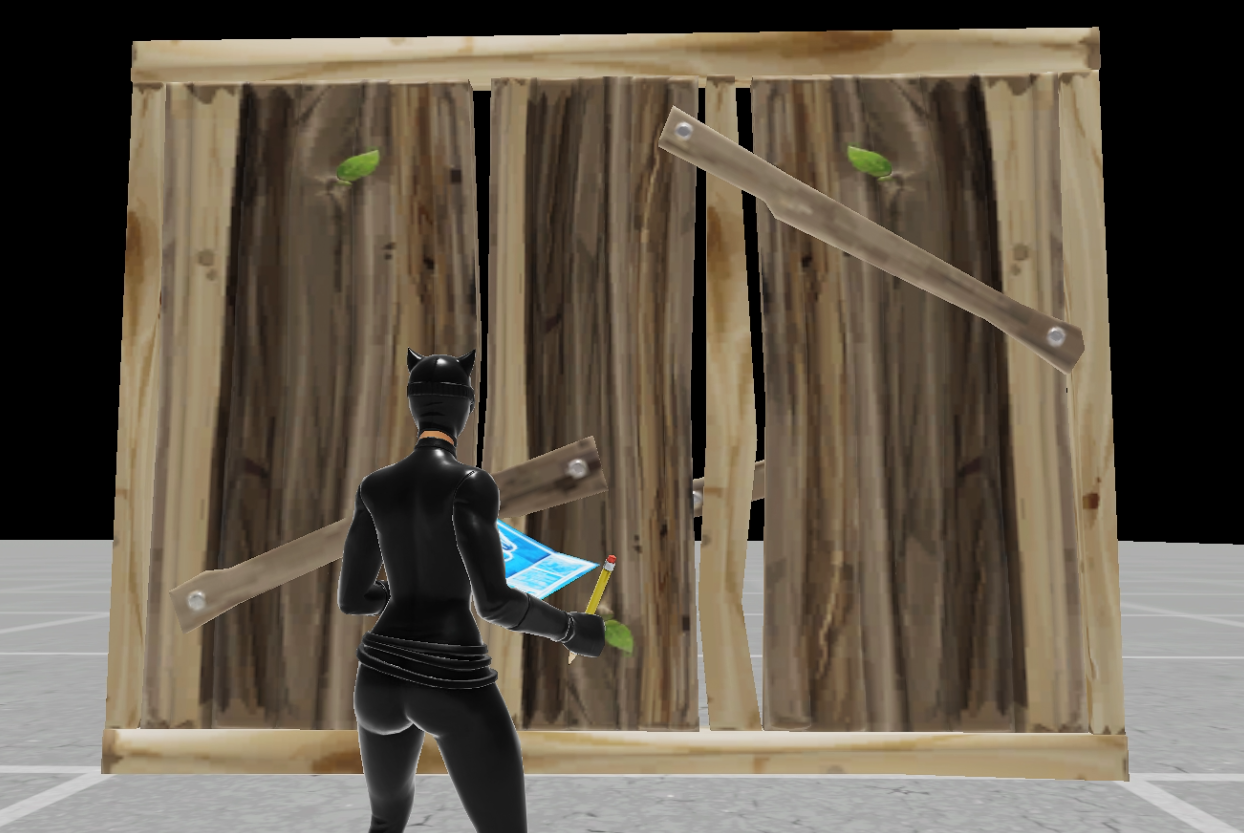
- Wall
- Used to protect yourself or contain an opponent (and critical to building a box around yourself or an opponent)
- Used to create walls of a structure to build higher or wider
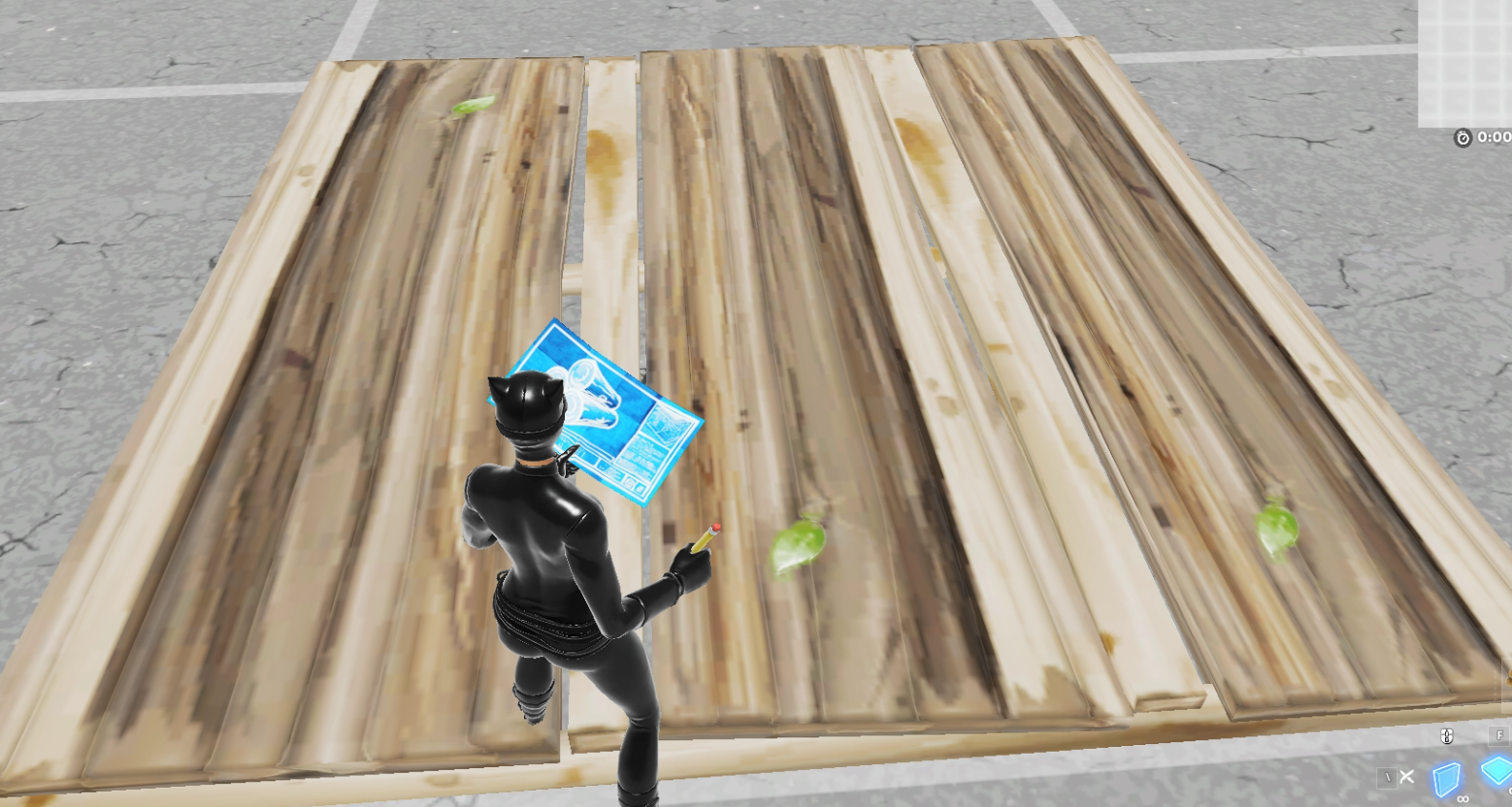
- Floor
- Used to span gaps or create a ceiling/cover
- Commonly used to limit the amount of fall next to a buildable structure to avoid fall damage (can also use a cone or stair for this). This is a basic element of waterfalling.
- Cone
- Can be inside of it for additional protection
- Can peak/shoot from behind the point of the cone if on height
- Can place on top of floor so that if floor is shot/broken out, the cone can still hold on top of it to maintain your build
- Can also place a cone on top of a “roof” to have two layers of protection
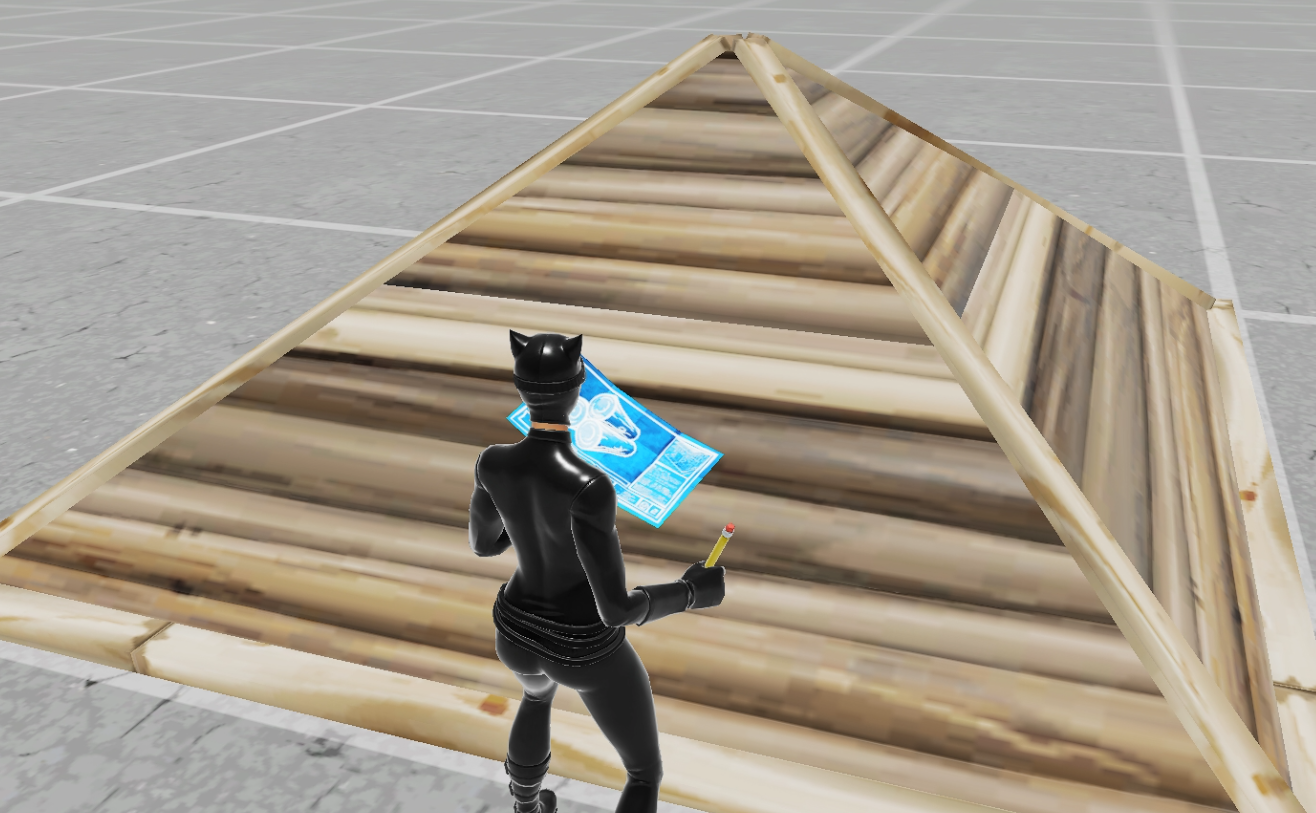
- Stair
- Used as a transition between levels to gain height
- Used as part of a platform to provide protection and ability to peak over
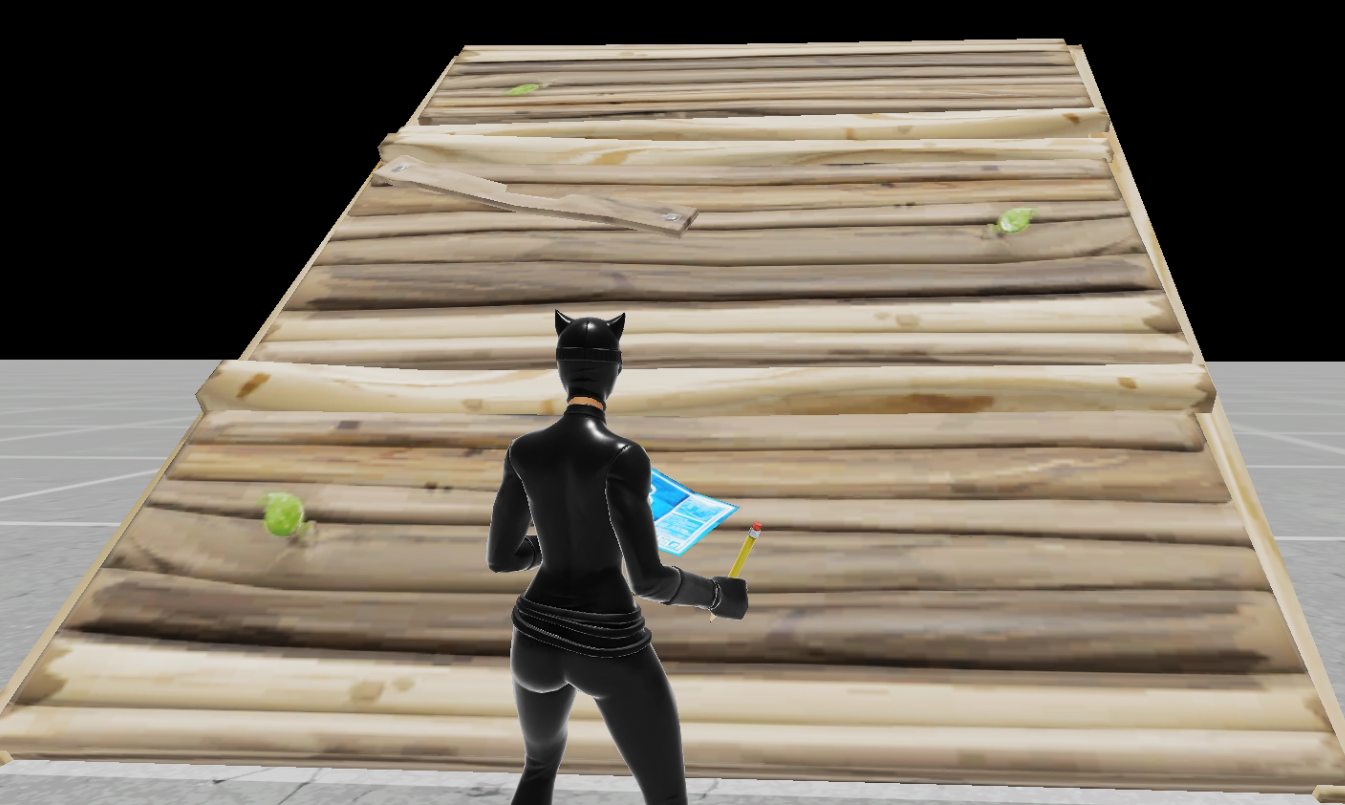
- Each of these 4 key build components has many edits available. See our other sections on Build Edits for more.
- Materials
- Everything can be built out of 3 primary materials.
- Wood is the most common or easy to farm and builds the fastest, but it is also the weakest. It won't buy you as much time for protection as other materials will, nor will it hold your opponents as long.
- Stone / brick (typically called brick) is a middle ground in terms of availability, speed, and durability. It is relatively common in many areas of the map.
- Metal is the strongest of the three basic materials, meaning that it can take more damage before being destroyed, but it is less common to farm and takes longer to build.
- Armored material is not something that you can farm, but it is the strongest material. It is only available in some modes or some seasons (similar to traps). You have to purchase this material or get it from an elimination. You don’t actually build with this material directly; you first build with one of the three base materials and then you add armor to it which increases its health. You can only add armor to whole pieces (like a full wall or full floor, etc), and you can’t edit it once you’ve armored it.
- Which material your opponent chooses to use can give you some clues that might influence your decision making. The same is true of which materials you use also though.
- If you're in a critical build fight and you switch to wood, doing so may indicate you are running low on materials.
- Using armored materials may indicate that you are very low on health and need time to heal, or that you are not great at build fighting and are hoping your opponent will either draw an attack from someone else or give up and move on before they can eliminate you. In addition to being used to protect yourself, it can also be used to trap an opponent (perhaps in storm, to take damage).
- Using materials wisely, both in type and efficiency (how many you use at a time) is important. You may want to show off by cranking some unnecessary builds/edits during or right after an elimination, but that probably isn't the smartest use of your materials and you may risk running out when you need them the most.
- Forcing your opponent to run out of materials before you is typically to your advantage. You can do this by spraying an opponent's builds, essentially burning your ammo to burn their mats, or by driving through their builds with a car, etc.
- And if you can get an elimination while your opponent still has materials, this can give you a refresh of mats so you won’t have to farm them.
- Controller vs Keyboard/mouse
- On a keyboard you can set build binds that make it easy to build and edit efficiently. On a controller you can adjust binds also, but it is more difficult because you have limited buttons. Optimizing your binds to custom in controller mapping can make the difference in your efficiency.